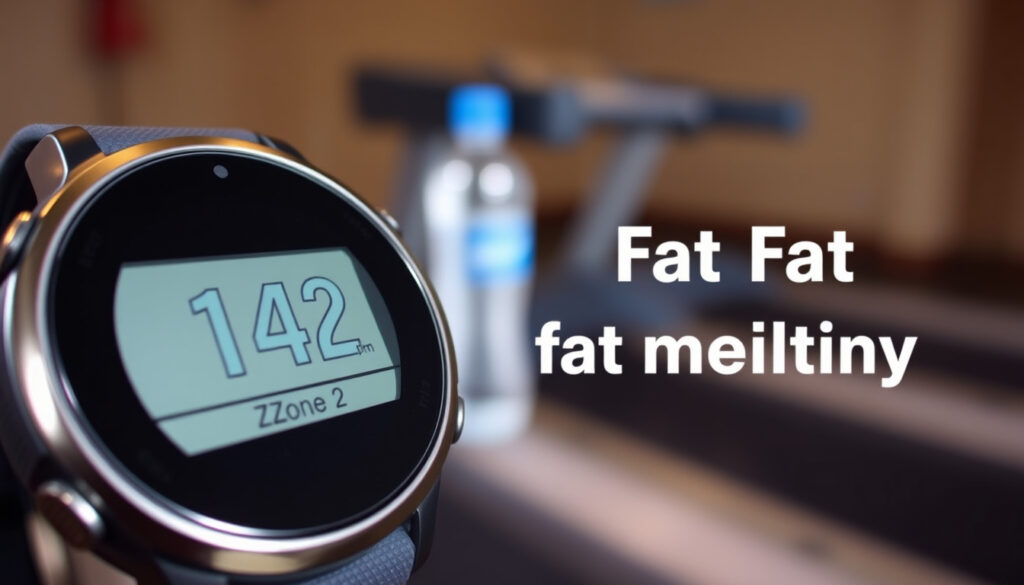
Zone 2 Heart Rate: Calculate Yours for Fat Loss and Endurance
Anyone who has started tracking their workouts with a heart rate monitor has probably heard of “zone 2” training. It’s the pace that feels almost too easy, yet elite athletes and coaches rely on it to build endurance and improve fat metabolism. This guide breaks down exactly what zone 2 heart rate means, how to calculate your personal number using different methods, and whether it truly deserves its reputation as the ultimate fat‑burning zone.
Zone 2 heart rate range: 60–70% of maximum heart rate (MHR) ·
220 minus age formula: Estimated MHR for zone 2 calculation ·
Heart rate reserve method: 55–78% of heart rate reserve (HRR) ·
Typical zone 2 bpm: 108–140 bpm depending on age and fitness ·
Primary fuel in zone 2: Fat oxidation (up to 80% of energy) ·
Training adaptation timeline: 4–8 weeks for noticeable aerobic improvement
Quick snapshot
- Zone 2 is defined as 60–70% of maximum heart rate (Cleveland Clinic (medical authority))
- Fat oxidation peaks around 65% of MHR (Polar Global (heart rate zone methodology))
- The talk test (speak in full sentences, cannot sing) is a valid surrogate for zone 2 (Healthline (health information resource))
- Exact bpm limits differ between individuals and calculation methods (Polar Global)
- Optimal duration of zone 2 workouts per week is debated among experts (ACSM (exercise science authority))
- Whether zone 2 is “best” for fat loss depends on total calorie deficit, not just exercise (ACSM)
- Consistent zone 2 training produces noticeable aerobic improvement in 4–8 weeks (Polar Global)
- Start with 20–30 minute sessions, 3–4 times per week (ACSM)
- Aim for 80% of total endurance training volume in zones 1–2 (Polar Global)
- Gradually increase session length to 45–90 minutes as aerobic capacity improves (Polar Global)
Five key parameters define zone 2 training and its expected outcomes:
| Parameter | Value |
|---|---|
| Zone 2 intensity | 60–70% of MHR |
| Typical bpm range (30‑year‑old) | 114–133 bpm |
| Fat oxidation peak | ~65% of MHR |
| Duration for aerobic adaptation | 4–8 weeks consistent training |
| Calories from fat in zone 2 | Up to 80% of energy expenditure |
| Talk test check | Can speak in full sentences, cannot sing |
How do I know my zone 2 heart rate?
Four reliable methods exist, each with different precision levels. Below we break down the most common approaches, starting with the simplest.
Calculate using the 220 minus age formula
- Estimate maximum heart rate: 220 − age (Healthline (health information resource))
- Zone 2 = 60–70% of that number (Cleveland Clinic (medical authority))
- Example: 30‑year‑old → MHR 190 → zone 2 = 114–133 bpm
Use the heart rate reserve (HRR) method
- HRR = MHR − resting heart rate (McMillan Running (running coaching system))
- Zone 2 = 55–78% of HRR + resting HR (McMillan Running)
- Accounts for individual fitness level more accurately than the MHR‑alone method
Estimate with the talk test
- In zone 2 you can speak in full sentences but cannot sing comfortably (Polar Global (heart rate zone methodology))
- Breathing is rhythmic but not gasping
- No equipment needed, useful for athletes of all levels
Zone 2 heart rate calculator by age
- For a 20‑year‑old: MHR ~200 → zone 2 = 120–140 bpm
- For a 40‑year‑old: MHR ~180 → zone 2 = 108–126 bpm
- For a 50‑year‑old: MHR ~170 → zone 2 = 102–119 bpm
What is a healthy zone 2 heart rate?
Many people ask whether a specific bpm means they’re in the right zone. The short answer is that there is no universal “healthy” number – it depends heavily on age, genetics, and training history.
Zone 2 heart rate by age chart
- Age 20: 120–140 bpm (Polar Global)
- Age 30: 114–133 bpm (based on 220‑age formula)
- Age 40: 108–126 bpm (Healthline)
- Age 50: 102–119 bpm
- Age 60: 96–112 bpm
Normal range for different fitness levels
- Well‑trained athletes often have lower resting heart rates, shifting their zone 2 bpm down (Polar Global)
- Sedentary individuals may find zone 2 begins at a higher bpm until aerobic base improves
- Medications (beta‑blockers) can lower heart rate and require adjustment of zone calculations
Factors affecting zone 2 heart rate
- Age (the largest single factor)
- Fitness level (resting HR and stroke volume)
- Genetics (some people naturally have higher max HR)
- Altitude, temperature, and fatigue
Because resting heart rate can vary by 10–20 bpm between individuals of the same age, the percentage‑based definition (60–70% MHR) is more reliable than any fixed bpm. A 40‑year‑old who is highly fit may have a zone 2 closer to 100–115 bpm, while a sedentary 40‑year‑old might sit at 115–130 bpm.
Is 140 bpm too high for zone 2?
Whether 140 bpm is zone 2 depends entirely on your age and maximum heart rate. For a 20‑year‑old, 140 bpm is at the top of zone 2; for a 40‑year‑old, it’s well into zone 3.
What 140 bpm means for different ages
- Age 20: MHR ~200 → 140 bpm = 70% MHR, upper limit of zone 2 (Polar Global)
- Age 30: MHR ~190 → 140 bpm = 74% MHR, already in zone 3
- Age 40: MHR ~180 → 140 bpm = 78% MHR, solidly zone 3 (Healthline)
When 140 bpm may be zone 2 or zone 3
- If your actual MHR is 200 (young, fit), 140 bpm is zone 2
- If your actual MHR is 180, 140 bpm is zone 3
- Only a lab‑grade stress test can give your true MHR, but the 220‑age formula is a practical starting point
How to verify your zone 2 bpm
- Use the talk test: if you can speak in full sentences, you’re likely in zone 2 (Polar Global)
- Check your breathing: it should feel manageable, not gasping
- Compare with perceived exertion (RPE 3–4 out of 10)
Is zone 2 best for fat loss?
Zone 2 is often marketed as the “fat‑burning zone,” but the reality is more nuanced. It maximizes the percentage of fat used as fuel during exercise, but total calorie burn depends on duration and overall deficit.
Fat oxidation in zone 2 vs higher zones
- Zone 2 burns up to 80% of energy from fat (MyProCoach (endurance coaching))
- Zone 3 still burns fat (about 50% of energy) but also more carbohydrate
- Higher intensity (>80% MHR) shifts to carbohydrate as primary fuel
Total calorie burn vs fat percentage
- Higher intensity burns more total calories per minute, but a lower fat percentage
- Zone 2 workouts lasting 60 minutes can burn 400–600 calories, roughly 320–480 from fat
- Short, high‑intensity interval sessions may burn 300–400 calories, but only 30% from fat
Role of diet in fat loss with zone 2
- Fat loss ultimately requires a calorie deficit – exercise alone is not enough (ACSM (exercise science authority))
- Zone 2 improves the body’s ability to oxidize fat, which can support a deficit over time
- Combining zone 2 with a balanced diet leads to sustainable fat loss
Zone 2 is an excellent tool for fat loss because it allows long, sustainable workouts with high fat utilization. But no exercise zone guarantees weight loss without controlling energy intake.
Is zone 2 or 3 better for fat burning?
This is a common comparison asked by runners, cyclists, and gym‑goers. Data from multiple sources make clear that while zone 2 burns a higher percentage of fat, zone 3 burns more calories overall in the same time frame.
Fat burning during zone 2 vs zone 3
- Zone 2: 60–70% MHR, fat supplies ~80% of energy (Polar Global)
- Zone 3: 70–80% MHR, fat supplies ~50% of energy (McMillan Running)
- Absolute fat calories per minute can be similar if zone 3 sessions are shorter
Impact of zone 3 on endurance
- Zone 3 improves blood circulation in heart and skeletal muscles (Polar Global)
- It raises lactate threshold, allowing you to sustain higher speeds for longer
- But too much zone 3 can lead to overtraining and insufficient recovery
Practical training recommendations
- 80% of endurance training volume should be in zones 1–2 (Polar Global)
- 20% in zones 3–5 for intensity and race‑specific fitness
- Zone 3 is a “tempo” intensity – best used sparingly and deliberately
Three key dimensions, one clear distinction:
| Factor | Zone 2 (60–70% MHR) | Zone 3 (70–80% MHR) |
|---|---|---|
| Fat percentage of energy | Up to 80% | ~50% |
| Total calories per 30 min | ~200–300 | ~300–450 |
| Primary benefit | Aerobic base, fat adaptation | Lactate threshold, speed |
| Recovery needed | Low (can do daily) | Moderate to high |
| Best for fat loss? | Yes – sustainable volume | Yes – higher total burn per minute |
How to train in zone 2
Once you know your zone 2 bpm range, putting it into practice requires structure and patience. These steps will help you start safely and build consistent aerobic fitness.
- Find your zone 2 range using the 220‑age formula, the HRR method, or the talk test. Write down the bpm window.
- Set your device – most fitness watches (Garmin, Apple Watch, Polar) allow you to customize heart rate zones. Input your MHR or HRR values to create a zone 2 alert.
- Start with 20‑minute sessions at an easy pace. Keep your heart rate within your calculated range. Use the talk test every 5 minutes.
- Gradually extend duration by 5–10 minutes per week until you can comfortably do 45–60 minutes. Aim for 3–4 zone 2 sessions per week.
- Monitor adaptation – after 4–8 weeks you should notice you can hold the same pace at a lower heart rate, or the same heart rate at a faster pace. This indicates improved aerobic efficiency.
- Recover properly – zone 2 sessions are low‑stress, but they still require adequate sleep and nutrition for the body to adapt.
Zone 2 training is the foundation of periodized endurance programs. Neglecting it leads to plateaus and burnout. A well‑built aerobic base from consistent zone 2 work allows you to handle higher intensity sessions without overtraining.
Clarity: What we know and what we don’t
Confirmed facts
- Zone 2 is 60–70% of maximum heart rate (Cleveland Clinic, Polar Global)
- Fat oxidation is highest in zone 2 compared to higher intensities (MyProCoach)
- The talk test is a valid surrogate for zone 2 (Cleveland Clinic)
What’s unclear
- Exact bpm limits differ between individuals and calculation methods (Polar Global)
- Optimal duration of zone 2 workouts per week is debated among experts
- Whether zone 2 is “best” for fat loss depends on total calorie deficit, not just exercise
Expert perspectives on zone 2 training
“In zone 2, your heart rate is at 60% to 70% of what your maximum heart rate could reach during an activity. It’s the intensity level where you’re working hard enough that you’ll benefit from the exercise, but not so hard that you risk injury or burnout.”
Cleveland Clinic (cardiology & sports medicine authority)
“In the McMillan 6-zone system, Zone 2 sits at 55–78% of your heart rate reserve (HRR). This provides a more individualized target than using percentage of max heart rate alone.”
McMillan Running (coaching system for runners)
“For some, heart rate zone 2 will be 120–140 bpm, and for others, it will be 108–126 bpm. The exact numbers depend on your personal maximum and resting heart rates.”
Polar Global (wearable technology & exercise physiology)
Zone 2 heart rate is not a magic number but a training tool – possibly the most underused one in fitness. For the runner, cyclist, or gym‑goer who wants sustainable endurance and efficient fat metabolism, the choice is clear: spend the majority of your weekly training minutes in zone 2, and use higher zones sparingly for specific gains. Ignoring this slow, steady work means leaving aerobic potential on the table.
Related reading: What Is a Root Canal? Procedure, Pain, Recovery Explained · Average Height in Canada – Latest Statistics and Insights
For a deeper dive into how to calculate and apply the talk test for your own training, this guide to zone 2 heart rate walks through the exact thresholds and methods.
Frequently asked questions
Can I train in zone 2 every day?
Yes, because zone 2 is low‑intensity and easy to recover from. Many elite endurance athletes do daily zone 2 sessions, but beginners should start with 3–4 sessions per week and listen to their bodies.
How long should a zone 2 workout be?
For general health and aerobic base, 30–60 minutes per session is ideal. More advanced athletes may do 90–120 minutes. The total weekly volume matters more than any single session length.
Do I need a heart rate monitor for zone 2 training?
Not necessarily – the talk test works well. But a monitor (chest strap or optical wrist sensor) provides real‑time feedback and helps you stay within your target bpm range, especially when fatigue or terrain pushes your heart rate up.
What is the difference between zone 2 and zone 1?
Zone 1 (50–60% MHR) is very light activity – walking, warm‑ups. Zone 2 (60–70% MHR) is where you start to breathe more deeply but can still hold a conversation. Zone 2 yields greater cardiovascular adaptation than zone 1.
How do I set zone 2 on my Garmin watch?
Go to Garmin Connect → Devices → Heart Rate Zones. Choose “Based on % Max HR” or “Based on % HRR”, then input your max HR or resting HR. Garmin will auto‑calculate zone 2 (60–70% MHR). You can also set custom alerts to vibrate when you leave zone 2.
Does zone 2 training improve VO₂ max?
Yes, especially in untrained individuals. Building an aerobic base in zone 2 increases stroke volume and capillary density, which directly raises VO₂ max. However, once you are moderately trained, higher‑intensity intervals are needed to push VO₂ max further.
What happens if I consistently train above zone 2?
You risk overtraining, burnout, and reduced aerobic efficiency. Too much time in zone 3–5 without adequate base work can lead to plateaued performance and increased injury risk. The 80/20 rule (80% easy, 20% hard) is widely recommended by coaches and sports scientists.
More related posts
 Air Canada Flight Diverted to St. John’s: Unruly Passenger
 Galaxy S23 FE to Buy in Ireland: Best Prices & Deals
 Express Entry Score Calculator: Free CRS Tool 2026
 2026 Winter Olympics Schedule and Results: Full Guide
 Val Kilmer Cause of Death: Pneumonia After Throat Cancer
 Where Does Vanilla Come From – Mexico Origins and Global Producers
 How to Clean a Dishwasher: Vinegar, Filter & Deep Clean Guide
